Streamline Your PPC Campaigns with a PPC Automation System
- Zulfadli A
- Jan 28
- 4 min read

Managing pay-per-click (PPC) campaigns can be a complex and time-consuming task. From keyword research to bid management and ad copy testing, there are many moving parts that require constant attention. However, with the rise of automation technologies, it is now possible to streamline these processes and improve campaign performance with less manual effort. In this post, I will share practical insights on how a ppc automation system can help you optimise your campaigns, save time, and increase return on investment.
Understanding the Benefits of a PPC Automation System
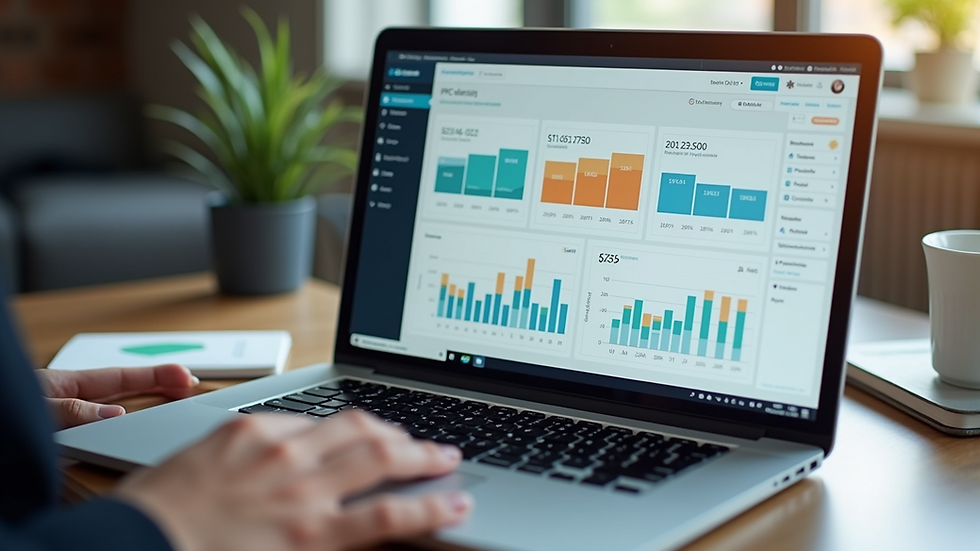
A ppc automation system is designed to handle repetitive and data-driven tasks within your PPC campaigns. This includes adjusting bids based on performance, pausing underperforming ads, scheduling ads for optimal times, and even generating reports automatically. By automating these tasks, you can focus on strategic decisions rather than day-to-day management.
Some key benefits include:
Efficiency: Automation reduces the time spent on manual adjustments, freeing you to focus on creative and strategic work.
Consistency: Automated rules ensure your campaigns follow best practices without human error or oversight.
Scalability: As your campaigns grow, automation helps manage complexity without needing proportional increases in resources.
Data-driven decisions: Automation tools use real-time data to make adjustments faster than manual processes.
For example, if you run multiple campaigns targeting different regions or services, a PPC automation system can automatically adjust bids based on location performance, ensuring your budget is allocated where it delivers the best results.
How to Choose the Right PPC Automation System
Selecting the right automation system depends on your business needs and campaign complexity. Here are some factors to consider:
Integration with platforms: Ensure the system supports the ad platforms you use, such as Google Ads, Facebook Ads, or Microsoft Advertising.
Customisation options: Look for tools that allow you to set custom rules and triggers based on your specific goals.
User interface: A clear and intuitive interface helps you monitor and adjust automation settings easily.
Reporting capabilities: Automated, detailed reports help you track performance and identify areas for improvement.
Support and training: Choose a provider that offers good customer support and resources to help you get the most out of the system.
For businesses focused on digital leads, especially in sectors like real estate, healthcare, and professional services, automation can be tailored to optimise lead acquisition and nurturing processes. This ensures your marketing systems convert consistently and efficiently.
How much do 1000 clicks cost on Facebook?
Understanding the cost of clicks on Facebook is essential when planning your PPC budget. The cost per click (CPC) on Facebook varies widely depending on factors such as industry, target audience, ad quality, and competition.
On average, the CPC on Facebook ranges from $0.50 to $3.00 AUD. For 1000 clicks, this means you could expect to spend between $500 and $3000 AUD. However, these figures can fluctuate based on:
Audience targeting: Narrow, highly competitive audiences tend to have higher CPCs.
Ad relevance: Ads with higher relevance scores typically cost less per click.
Bidding strategy: Manual bidding can control costs, but automated bidding may optimise for conversions.
For example, a healthcare service targeting a broad local audience might see lower CPCs compared to a specialised real estate campaign targeting affluent suburbs.
Using a PPC automation system can help manage these costs by adjusting bids dynamically to stay within budget while maximising clicks and conversions.

Practical Steps to Implement PPC Automation in Your Campaigns
Implementing automation requires a structured approach to ensure it aligns with your business goals. Here are actionable steps to get started:
Define clear objectives: Identify what you want to achieve with your campaigns, such as increasing leads, reducing cost per acquisition, or improving click-through rates.
Set up conversion tracking: Accurate tracking is essential for automation tools to optimise effectively.
Create automation rules: Start with simple rules like pausing ads with low click-through rates or increasing bids on high-performing keywords.
Test and monitor: Automation is not set-and-forget. Regularly review performance and adjust rules as needed.
Leverage machine learning features: Many platforms offer AI-driven automation that learns and improves over time.
Integrate with CRM and marketing tools: Connect your PPC automation system with lead management tools to streamline the entire customer journey.
For example, you might set a rule to increase bids by 10% on keywords that generate leads at a cost below your target CPA (cost per acquisition). Conversely, you could pause ads that have a click-through rate below 1% after 1000 impressions.
Maximising ROI with Pay Per Click Automation
One of the most effective ways to improve your PPC campaigns is by using pay per click automation. This approach leverages technology to optimise bids, budgets, and targeting in real time, based on performance data.
Here are some tips to maximise ROI with automation:
Use automated bidding strategies: Options like target CPA or target ROAS (return on ad spend) help align bids with your business goals.
Schedule ads for peak times: Automation can run ads when your audience is most active, improving engagement.
Test ad variations automatically: Some systems can rotate ads and prioritise the best performers.
Automate budget allocation: Shift budget to campaigns or ad groups that deliver the best results.
Monitor quality score and relevance: Automation can help maintain high ad quality, reducing costs.
By integrating these strategies, you can ensure your marketing spend is efficient and focused on generating measurable revenue.
Next Steps to Enhance Your PPC Campaigns
To fully benefit from a PPC automation system, consider the following next steps:
Invest in training: Ensure your team understands how to use automation tools effectively.
Regularly review automation rules: Markets and audiences change, so keep your automation aligned with current trends.
Combine automation with human insight: Use data-driven automation alongside strategic thinking for best results.
Explore advanced features: Look into AI-powered predictive analytics and cross-channel automation.
Partner with experts: Collaborate with digital marketing professionals who specialise in automation to accelerate your success.
Automation is a powerful tool, but it works best when integrated into a comprehensive marketing system designed to convert leads consistently and efficiently.
By adopting a structured approach to PPC automation, you can reduce manual workload, improve campaign performance, and ultimately drive better business outcomes. Whether you are managing real estate listings, healthcare services, or professional offerings, automation can help you turn your marketing tools into measurable revenue.


